Tone Wop Dance: How to Do the Harlem Litefeet Move (Step by Step)
Introduction
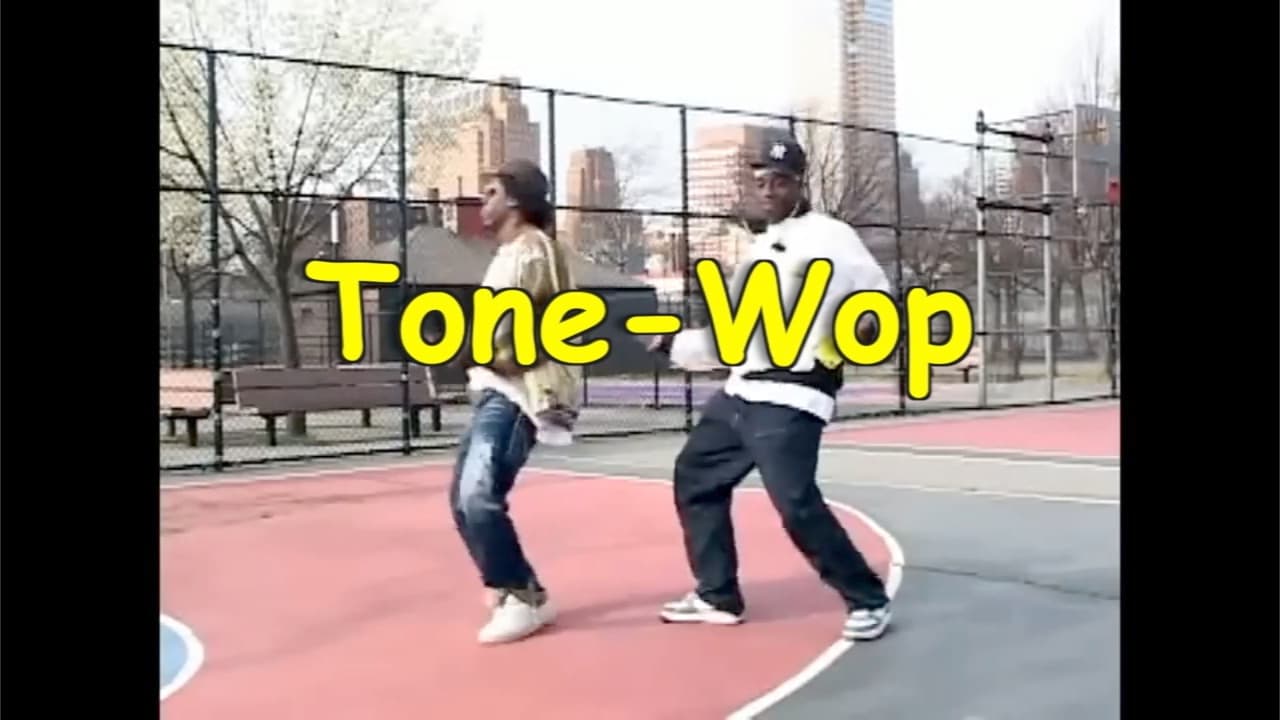
The Tone Wop is a fundamental and iconic hip hop dance move that has become an integral part of various street dance styles, particularly Litefeet. Originating from the vibrant streets of Harlem, New York, this energetic move has captured the essence of urban culture and continues to influence dancers worldwide. With its rhythmic footwork and distinctive style, the Tone Wop is a must-learn for anyone aspiring to master the art of hip hop dance.
Video Demonstration
Dance History of The Tone Wop
The Tone Wop was created in the early 2000s by a dancer known as Tone Wop, who hailed from the streets of Harlem. As the Litefeet dance scene flourished, the Tone Wop quickly became a staple move, embraced by dancers for its unique flair and ability to showcase their rhythmic skills. It was not only a foundational step in Litefeet but also found its way into other hip hop dance styles, solidifying its place in the culture.
Step By Step Instruction
Start with your feet shoulder-width apart, knees slightly bent, and your weight evenly distributed.
Shift your weight to one leg, lifting the other leg slightly off the ground.
Take a small step with the lifted leg, bringing it back to the starting position.
As you step back, transfer your weight to the other leg, lifting the first leg slightly.
Repeat the process, alternating between legs and creating a rhythmic, bouncing motion.
Incorporate arm movements, such as swinging or pumping, to add style and energy to the move.
Tips For Learning The Tone Wop
Practice the footwork slowly at first, focusing on the weight transfer and rhythm.
Listen to the beat and let the music guide your movements.
Loosen up your body and avoid stiffness, allowing for a natural flow.
Experiment with different arm movements and variations to add your personal touch.
Watch videos of experienced dancers performing the Tone Wop to observe their technique and style.
Conclusion
The Tone Wop is a fundamental hip hop dance move that has stood the test of time, transcending its Harlem roots to become a global phenomenon. Its rhythmic footwork and energetic style have made it a staple in the Litefeet dance scene and beyond. By mastering the Tone Wop, dancers can not only pay homage to the rich history of hip hop culture but also develop a solid foundation for exploring more advanced moves and styles.
Frequently Asked Questions
What is the Tone Wop dance?
The Tone Wop is an early-2000s hip hop dance move from Harlem, built on rhythmic alternating footwork with weight transfers and arm pumping. It's one of the foundational moves of the Litefeet dance style that emerged in Harlem in the 2000s. The move is characterized by a loose, bouncy step that bounces with the beat.
Is it "Tone Wop" or "Toe Wop"?
Both spellings appear online, "Tone Wop" is the original and correct name, created by the Harlem dancer who went by Tone Wop. "Toe Wop" is a common misspelling based on how the word sounds. When searching for tutorials, both spellings will find the same move.
Where does the Tone Wop come from?
The Tone Wop was created in Harlem, New York, in the early 2000s by a dancer named Tone Wop. It emerged alongside the Harlem Shake and Chicken Noodle Soup as part of the broader Litefeet movement, a street dance style built on fast footwork, hat tricks, and rhythmic swagger native to uptown NYC.
How long does it take to learn the Tone Wop?
Most beginners can get the basic alternating-step pattern in 10-15 minutes. Making it look loose and bouncy instead of robotic takes 30-60 minutes of practice, you need your knees and hips to absorb the step rather than stiffening up. Adding arm style layers on after the footwork feels natural.
What's the most common Tone Wop mistake?
Being too stiff. The Tone Wop is a loose, bouncy move, beginners lock their knees and torso, which makes it look rigid. Soften the knees, let the bounce travel up the spine, and let the shoulders move naturally with the step. The move should feel like a relaxed walk with rhythm, not a march.
More Hip Hop Dance Moves
If you liked the Tone Wop, these moves share the same Harlem street dance roots and alternating weight-transfer bounce:
- 6 Simple Steps to Learn The Harlem Shake, the Harlem Shake is the Tone Wop's neighborhood sibling, both come from Harlem and share a loose, rhythmic style where the upper body drives the expression.
- 5 Easy Steps to Learn The Bankhead Bounce, the Bankhead Bounce is Atlanta's equivalent of the Tone Wop: both are city-specific bounce moves built on a relaxed knee dip and personal flair rather than strict choreography.
- 4 Easy Tips For The BK Bounce, the BK Bounce shares the Tone Wop's foundational step-and-bounce structure, making it easy to alternate between the two when exploring different regional bounce styles.
- How to Do the Monastery Hip Hop Dance Move, the Monastery's rhythmic toe-heel footwork operates at a similar tempo and groove level as the Tone Wop, and both are frequently used in battle and cypher settings.
More Hip-Hop articles
Train 1-on-1 with Ceech.
Get personalized coaching tailored to your style and goals.
Book a Free Consult