How to C Walk: Beginner Steps, Meaning, and History
TL;DR
- The C-Walk is a rhythmic footwork dance with roots in Crip gang culture in Southern California.
- Stay light on the balls of your feet and keep your knees bent.
- Exchange your feet on every pulse: “1 and 2 and 3 and 4 and.”
- Practice the footwork without music first. Then use a slower song and make staying on beat your priority.
- Do not let your feet outrun the music.
Learning how to C Walk requires more than memorizing fancy footwork. You need to understand the rhythm, control your balance, and respect the culture behind the dance.
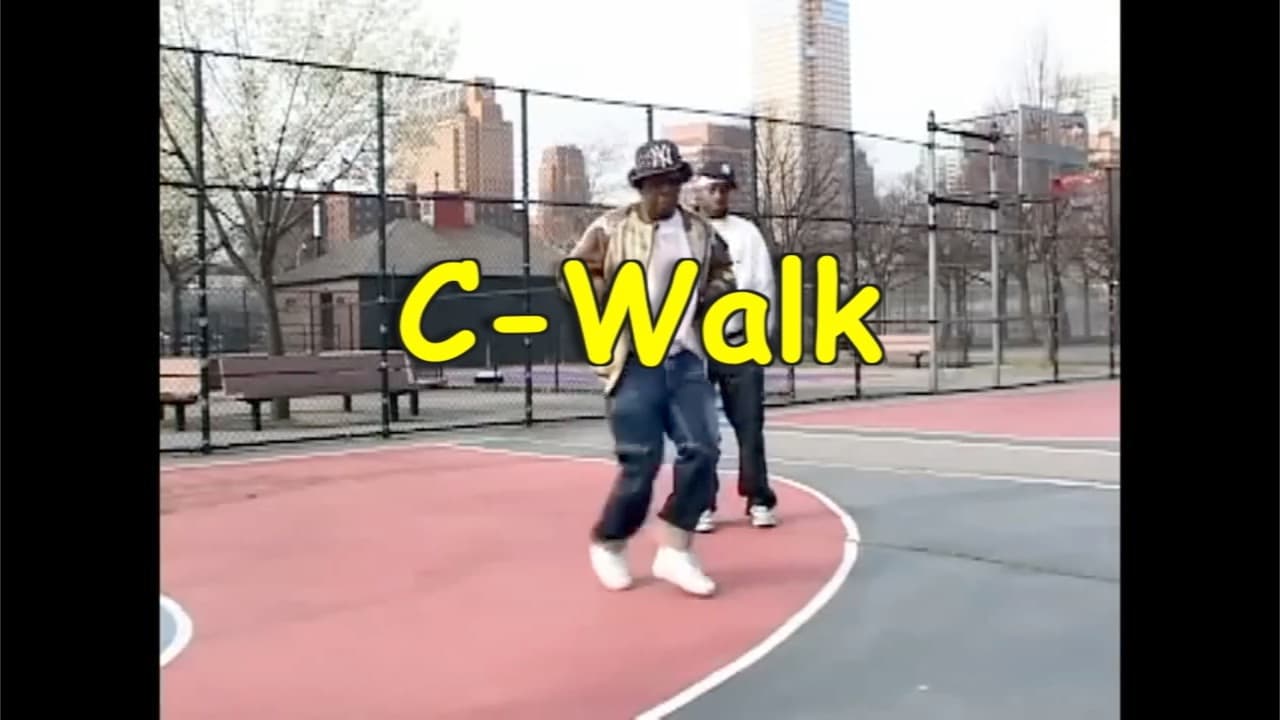
I learned the C-Walk directly from Skeeter Rabbit of the Electric Boogaloos. The history and meaning he shared with me shaped how I understand the dance. The video on this page features hip-hop pioneer Buddha Stretch demonstrating the movement.
What is the C-Walk?
The C-Walk is a rhythmic footwork dance commonly understood as short for the Crip Walk. It came from Crip gang culture in Southern California and later became visible to a much larger audience through music videos, performances, and popular media.
The feet can create letters, names, and other information through patterns on the floor. The hands have also been used to communicate through gestures and gang signs. That history matters because the original dance was not simply a collection of footwork tricks.
An academic study describes the Crip Walk and related gang dances as forms of embodied writing. In plain language, the dancer could use the body to communicate something, much like writing a message.
Today, many dancers focus mainly on the footwork. You can learn the movement without copying gang signs, but you should still know where it came from.
Where did the C-Walk originate?
The C-Walk originated within Crip gang culture in the Los Angeles area, although no single documented inventor can be credited with creating every part of it.
Its development belongs to a larger Southern California history. Carla Stalling Huntington’s dance history places the C-Walk among the people, places, and cultural influences that shaped hip-hop dance.
When Skeeter Rabbit taught me the C-Walk, he explained that dancers could use their feet to spell letters such as C, R, I, and P. They could also spell names or communicate other information. The hands might add another part of the story.
That firsthand lesson helped me understand the dance as communication, not just technique.
How did the C-Walk reach a wider audience?
The C-Walk became much more visible through rappers, music videos, concerts, and televised performances. As more people copied the footwork, many learned the steps without learning their original meaning.
That separation created controversy. A 2002 Los Angeles Times report described schools restricting the dance because of its gang associations. ABC News also reported on the debate over whether students saw it as popular dancing while school officials saw a possible gang symbol.
This history is one reason I don’t teach the C-Walk as generic internet footwork. You can appreciate the movement while being honest about its origin.
Watch Buddha Stretch demonstrate the C-Walk
.Buddha Stretch demonstrates the dance on my YouTube channel. Watch his knees, the balls of his feet, and the timing of each exchange. Don’t start by trying to copy every detail at once.
First, watch how he stays low. Then watch how his feet exchange positions with the rhythm.
How do you C-Walk step by step?
To C-Walk, keep your knees bent, stay light on the balls of your feet, and exchange your foot positions on every numbered count and every “and.”
A four-beat bar is counted:
1 and 2 and 3 and 4 and
That gives you eight pulses in one bar. Your feet move or exchange on all eight pulses, not only on the numbered beats and not only on the “and” beats.
1. Begin with your knees bent
Stand in a comfortable position with your knees bent and your weight centered between your feet.
Don’t stand straight up and lock your knees. Staying low gives you more control when you change direction, hop, or land on one foot.
2. Stay on the balls of your feet
Lift your heels slightly so you feel light on your feet. The balls of your feet become the main contact point for the hopping and exchanging motion.
You don’t need to lift your heels as high as possible. You need enough space to move without becoming stiff or losing balance.
3. Exchange the feet forward and backward
Move one foot forward as the other moves backward. On the next pulse, exchange their positions again.
There is no rule about which foot must move first. Begin with whichever side feels more natural.
The goal is a continuous exchange, not a memorized pose.
4. Let both feet leave the floor
Between pulses, both feet may briefly hop off the ground. Keep the hop small so you can control the landing and stay on time.
Sometimes both feet will land. At other times, only the supporting foot will land while the other foot kicks and remains in the air.
5. Transfer your weight to the supporting foot
When one foot kicks, your weight shifts onto the ball of the supporting foot. Keep that supporting knee bent.
The kick usually travels forward, but it doesn’t have to. Once your balance and rhythm are under control, the kick can travel in another direction.
6. Repeat on all eight pulses
Continue the exchange through the full count:
1 and 2 and 3 and 4 and
You should complete eight timed exchanges or steps during the bar. Keep the movement small enough that every landing matches the music.
What should beginners focus on first?
Beginners should focus on staying low, controlling their balance, and keeping the footwork on beat.
Your arms can help you balance while you learn. If hopping makes you unstable, hold a sturdy chair or place one hand against a wall. Make sure whatever you hold cannot slide or tip.
Practice the exchange without music first. This lets you understand where your weight goes and how your feet change positions.
After the movement feels controlled, add music. At that point, rhythm becomes the priority.
Once your balance improves, let your arms rest naturally at your sides. Don’t imitate gang signs. Those gestures have real cultural meaning and may be disrespectful or dangerous in some places.
If the movement causes pain or unusual discomfort, stop and consult an appropriate healthcare professional before continuing.
Practice progression for the C-Walk
Use this order when practicing:
- Bend your knees and find a stable stance.
- Rise onto the balls of your feet.
- Practice small hops without music.
- Exchange one foot forward and the other backward.
- Practice landing on both feet.
- Practice landing on one supporting foot while the other foot kicks.
- Count “1 and 2 and 3 and 4 and.”
- Add a slower song and match one exchange to every pulse.
- Change the kick direction only after you can stay balanced and on beat.
I recommend beginning around 100 to 110 BPM. That range is slow enough to expose mistakes but active enough to practice the full eight-pulse pattern.
Wear sneakers that you could comfortably jog or jump in. A smooth floor is helpful, but most stable and uncluttered floors can work for this move. Avoid wet, uneven, or slippery surfaces.
What are the most common C-Walk mistakes?
The most common mistake is letting the feet move faster than the music.
Beginners often concentrate so hard on the foot exchanges that they rush. Moving fast may seem impressive, and it can even hide mistakes for a moment, but speed does not correct poor timing.
Use this cue:
Do not let your feet outrun the music.
Other common mistakes include:
- Straightening the knees and standing too tall
- Landing heavily instead of staying light
- Making the hops larger than necessary
- Losing balance when one foot kicks
- Moving the feet without matching a clear count
- Adding arms and variations before controlling the basic rhythm
If you become lost, stop adding variations. Return to bent knees, small hops, and the eight-pulse count.
For more help understanding counts before adding complex footwork, start with rhythm training.
Is rave shuffling the same as C-Walking?
No. Rave shuffling and C-Walking come from different histories and dance cultures, even though some modern footwork may look similar.
Online tutorials sometimes organize C-Walk instruction around terms such as V-step, Shuffle, and Heel-Toe. Buddha Stretch’s demonstration does not teach the dance as three required named moves. It shows a continuous combination of hops, foot exchanges, kicks, and weight transfers.
Screen Australia documents the Melbourne Shuffle within Melbourne’s underground dance party scene. Electronic dance styles are also commonly practiced to faster music. Ableton’s tempo guide places hip-hop broadly around 60 to 100 BPM, house around 115 to 130 BPM, and techno or trance around 120 to 140 BPM.
These are broad ranges, not hard rules. My recommendation of 100 to 110 BPM is a practical teaching choice for beginning C-Walk practice.
Younger dancers may learn moves from different online sources and combine them without knowing that they came from separate cultures. Creativity is part of dance, but history should not disappear when movements are mixed.
If you want to study those mechanics separately, you can learn the Heel Toe as its own hip-hop dance move. It should not be treated as proof that rave shuffling and the C-Walk are the same dance.
What is the difference between C-Walk and Crip Walk?
C-Walk is commonly used as a shortened name for Crip Walk, but some modern dancers use “C-Walk” as a broader label for footwork separated from gang signs and gang identity.
Changing the label does not erase the origin. Los Angeles dancers have continued to debate who should perform the dance and how its cultural meaning should be handled.
My approach is simple: learn the movement, acknowledge where it came from, and don’t imitate signs you don’t understand.
Keep learning through rhythm
Once you can perform the C-Walk without rushing, compare its rhythm and weight transfer with other party dances.
The Running Man uses a different step pattern but still requires clear timing and controlled weight changes. Walk It Out also teaches you to stay low while coordinating the feet with the beat.
The details can become creative after your timing is dependable. Without rhythm, it is only movement. With rhythm, balance, and cultural understanding, the footwork starts to become dance.
More Hip-Hop articles
Train 1-on-1 with Ceech.
Get personalized coaching tailored to your style and goals.
Book a Free Consult