Ticking Dance: How to Do This Funk Style Isolation Move
Introduction
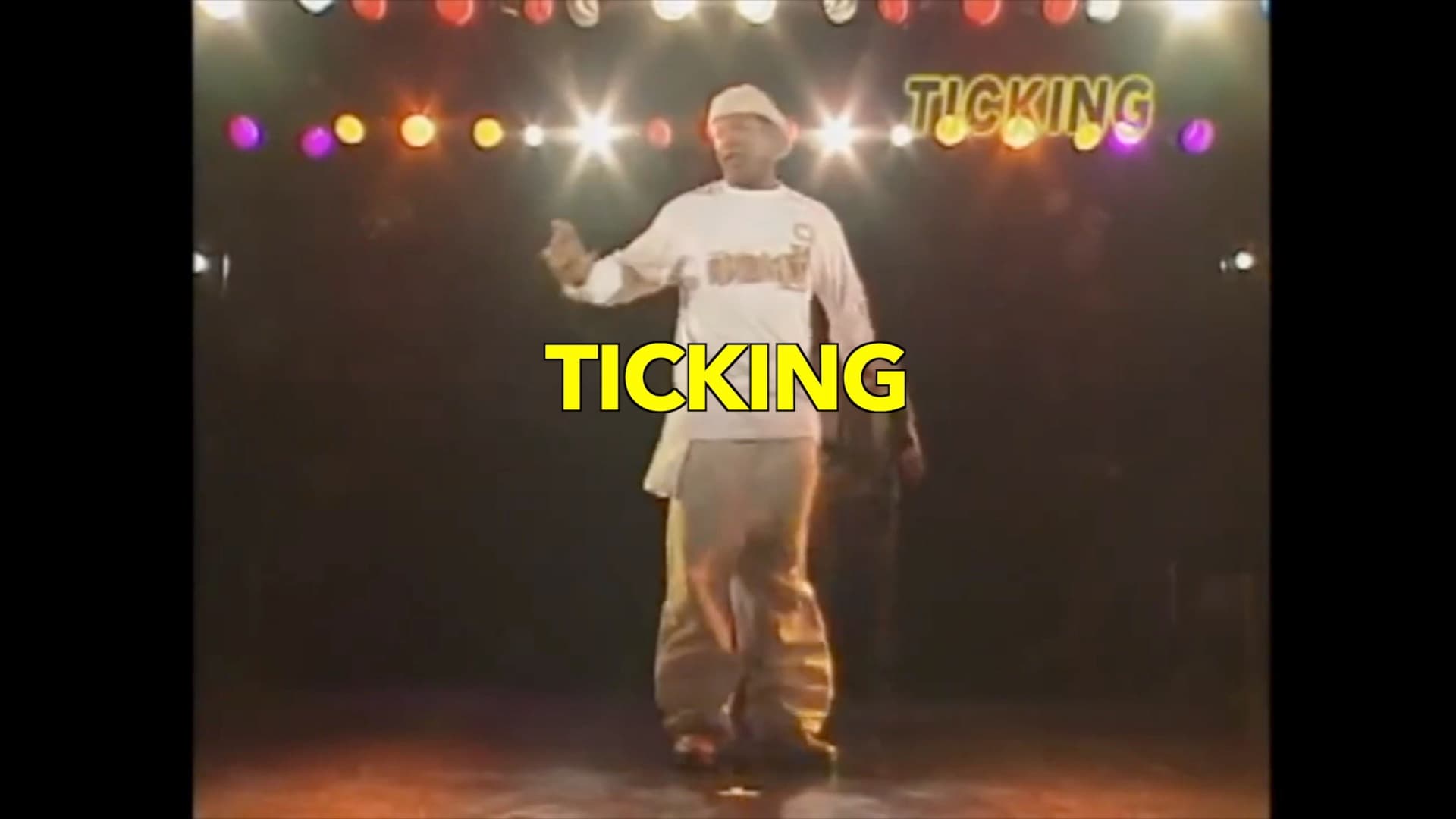
Ticking, a mesmerizing dance move that falls under the umbrella of funk styles, has captivated dancers and audiences alike with its precise, robotic-like movements. This unique technique involves isolating different parts of the body and moving them in sharp, rhythmic patterns that resemble the ticking of a clock. Ticking is not just a dance move; it's a visual representation of music, transforming beats and rhythms into a series of captivating, mechanical motions. As a fundamental element in funk styles, ticking has evolved to become a crucial component in various urban dance forms, including popping and animation. Its versatility allows dancers to incorporate it into routines, freestyle performances, and even as a standalone showcase of control and precision. Whether you're a seasoned dancer or a curious beginner, understanding and mastering ticking can add a powerful dimension to your dance repertoire.
Video Demonstration
Dance History
Ticking emerged as a distinct dance move in the 1970s, during the golden era of funk music and dance in the United States. While it's challenging to attribute its creation to a single individual, ticking developed organically within the street dance communities of California, particularly in cities like Fresno and Los Angeles. It evolved alongside other funk styles like popping and locking, becoming an integral part of the funk dance vocabulary.
The move gained prominence through pioneers of funk styles such as Boogaloo Sam and Popin' Pete, who incorporated ticking into their performances and helped popularize it. As funk styles spread across the country and eventually the world, ticking became recognized as a distinct technique, valued for its ability to create visually striking effects that perfectly complemented the staccato rhythms of funk music.
Over the decades, ticking has been refined and expanded upon by successive generations of dancers, each adding their own interpretations and variations. Today, it remains a fundamental skill in funk styles and continues to influence modern dance forms, including hip-hop and contemporary dance.
Step By Step Instruction
- Start in a relaxed standing position with your feet shoulder-width apart.
- Choose a body part to isolate (e.g., your head, shoulder, or hand).
- Tense the chosen body part, creating a locked, rigid position.
- Move the isolated part in a small, sharp motion, as if following the tick of a clock.
- Immediately return to the starting position with equal sharpness.
- Repeat this motion rhythmically, matching the beat of the music.
- Practice maintaining stillness in the rest of your body while ticking.
- Gradually increase speed and complexity by incorporating multiple body parts.
- Experiment with different directions and patterns of movement.
- Combine ticking with other funk style moves for more dynamic performances.
Tips For Learning
• Start slow and focus on precision before increasing speed. • Practice in front of a mirror to observe and refine your movements. • Use a metronome or music with a clear beat to help maintain rhythm. • Isolate different body parts individually before combining them. • Incorporate breathing techniques to help with muscle control and endurance. • Study videos of experienced dancers to understand the nuances of ticking. • Practice regularly, even if just for a few minutes each day, to build muscle memory. • Experiment with different intensities of ticking, from subtle to exaggerated movements. • Collaborate with other dancers to share techniques and receive feedback. • Be patient and persistent; mastering ticking takes time and dedication.
Conclusion
Ticking is more than just a dance move; it's a testament to the body's ability to create art through precise control and rhythm. By mastering this funk style technique, dancers can add a captivating dimension to their performances, effectively translating music into visual form. Whether you're looking to enhance your popping routine, add flair to your freestyle, or simply explore the boundaries of your body's capabilities, ticking offers a unique and rewarding challenge. Remember, the key to excelling in ticking lies in consistent practice, attention to detail, and a willingness to push your limits. So, start ticking, and watch as your dance skills tick up to the next level!
Frequently Asked Questions
What is ticking in dance?
Ticking is a funk-style dance technique where the dancer isolates a body part (head, shoulder, hand, etc.) and moves it in small, sharp, mechanical increments that resemble a clock's tick. It's a core component of popping and animation styles, valued for its ability to translate a music's rhythm into crisp, visually striking movement.
Is ticking the same as popping?
They're related but distinct. Popping uses sharp muscle contractions to create a sudden "hit." Ticking uses controlled incremental movements to create a clock-like or mechanical illusion. Many moves combine both techniques , the pop provides the impact, the tick provides the positional change. Most funk-style dancers learn popping first, then layer in ticking.
Where did ticking come from?
Ticking emerged in the 1970s funk-style scene in California, particularly Fresno and Los Angeles. It developed alongside popping and locking as part of the broader funk-style vocabulary. Pioneers like Boogaloo Sam and Poppin' Pete (Electric Boogaloos) refined and popularized it. No single person invented ticking , it grew organically from the same community that birthed popping.
How long does it take to learn ticking?
The basic isolation takes 1-2 weeks of daily 10-minute practice to look clean. Full body ticking , using multiple parts in sequence , takes 2-3 months. The hardest part isn't moving the isolated body part; it's keeping EVERY OTHER part perfectly still while you tick. That muscle control takes dedicated repetition.
What's the most common ticking mistake?
Bleeding into other body parts. A good tick isolates ONE body part while the rest of the body stays frozen. Beginners unintentionally move the shoulders when they tick the head, or the torso when they tick the arm. Practice in front of a mirror and watch EVERYTHING else , the tick only looks sharp when the surrounding body is completely still.
More Funk Style Dance Moves
If you liked Ticking, these moves share the same emphasis on sharp, rhythmic isolation and mechanical precision:
- Mastering Popping: The Fundamental Move of Funk Style Dancing , Popping is the foundational technique that ticking is built on , before the clock-like increments make sense, you need a clean pop; this is where to start.
- Mastering the Toyman: A Funky Twist on Popping Dance , Like ticking, Toyman commits to a mechanical character concept (wind-up toy) and uses sharp stops and starts to sell the illusion, making the two moves natural performance partners.
- Mastering the Puppet: A Funky Dance Move That Pulls Your Strings , The Puppet uses the same staccato, marionette-like isolation philosophy as ticking but extends it to a full-body theatrical character, adding expressive range to your mechanical toolkit.
- Mastering the Scarecrow: A Funky Popping Dance Move , The Scarecrow alternates between rigid locked positions and loose floppy drops , the same contrast of tension and release that makes ticking visually compelling, applied to a whole-body concept.
More Popping & Funk articles
Train 1-on-1 with Ceech.
Get personalized coaching tailored to your style and goals.
Book a Free Consult