Train House Dance: How to Do This Side-to-Side Footwork Move
Introduction
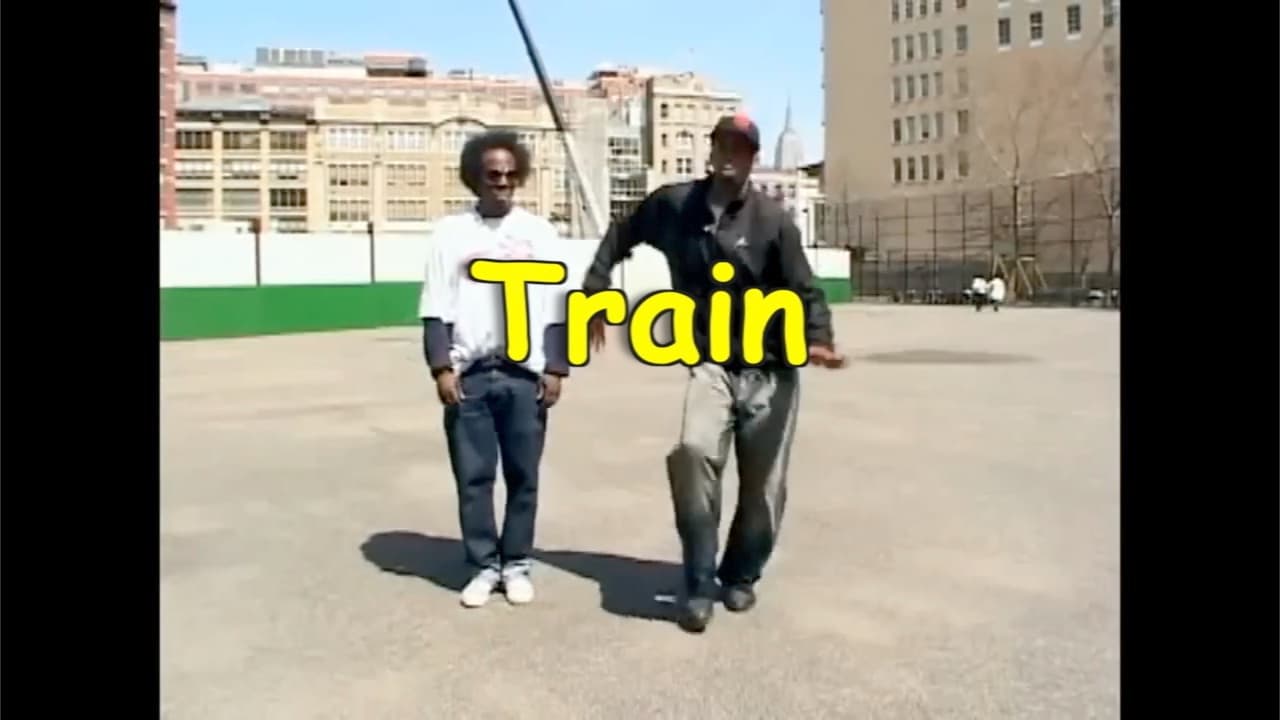
The Train is a foundational and essential move in the world of house dance. This dynamic step is characterized by its rhythmic footwork and distinctive side-to-side motion, making it a staple in any house dancer's repertoire. Whether you're a beginner or an experienced dancer, mastering the Train is crucial for developing a solid foundation in this energetic and expressive dance style.
Video Demonstration
Dance History of The Train
While the exact origins of the Train are not entirely clear, it has been a part of the house dance scene for decades. As the house music culture flourished in the underground clubs of Chicago and New York in the late 1980s and early 1990s, the Train emerged as a fundamental move that allowed dancers to showcase their rhythmic skills and connect with the infectious beats of house music.
Step By Step Instruction
Start with your feet shoulder-width apart, knees slightly bent, and your weight evenly distributed.
Step to the side with one foot, transferring your weight onto that leg.
Bring the other foot to meet the first, maintaining a shoulder-width stance.
Repeat the process, stepping to the opposite side with the other foot, creating a side-to-side motion.
Incorporate arm movements, such as swinging or pumping, to add style and energy to the move.
Vary the speed and intensity of the Train to match the rhythm of the music.
Tips For Learning The Train
Practice the footwork slowly at first, focusing on the weight transfer and rhythm.
Listen to the beat and let the music guide your movements.
Keep your knees bent and your body relaxed to maintain fluidity.
Experiment with different arm movements and variations to add your personal touch.
Watch videos of experienced house dancers performing the Train to observe their technique and style.
Conclusion
The Train is a fundamental house dance move that has stood the test of time, transcending its underground roots to become a global phenomenon. Its rhythmic footwork and side-to-side motion have made it a staple in the house dance scene and a must-learn for anyone aspiring to master this dynamic and expressive dance style. By mastering the Train, dancers can not only develop a solid foundation but also explore more advanced moves and styles within the house dance realm.
Frequently Asked Questions
What is the Train house dance move?
The Train is a foundational house dance move built on a side-to-side traveling pattern, step laterally with one foot, close with the other, step laterally again in the same direction. The continuous motion covers ground while maintaining a steady rhythmic pulse matched to house music's 4-on-the-floor beat.
Where did the Train house dance come from?
The Train emerged from the underground house music scenes of Chicago and New York City in the late 1980s and early 1990s, alongside the development of house music itself. It's one of the foundational moves in house dance vocabulary, taught as an entry point because it builds the lateral weight transfer and rhythm awareness every other house dance move depends on.
Is the Train the same as other traveling house dance moves?
It's the simplest one. The Train is the foundational lateral traveling pattern; other moves like the Sidewalk add a tap, the Crosswalk adds cross-steps, and the Skate adds a push-and-glide on top of the same basic lateral travel. Learn the Train first, then layer on the variations. Each builds on the Train's weight-shift foundation.
How long does it take to learn the Train?
The basic side step is easy, 5-10 minutes to execute. Getting the CONTINUOUS rhythmic flow that makes it look like a house dancer (not a marching drill) takes 20-30 minutes. Adding arm swings, matching house music's tempo, and integrating it with other moves takes 1-2 practice sessions. It's the easiest foundational move in house dance to pick up.
What's the most common Train mistake?
Stepping too wide. The Train is a contained, rhythmic side step, beginners take huge lateral strides that break the move's tight, controlled character. Keep the steps about shoulder-width apart and let the rhythm do the work, not the reach. Tight and musical beats wide and exhausting.
More Hip Hop Dance Moves
If you liked the Train, these moves share the same side-to-side traveling rhythm or foundational floor-covering quality:
- House Dance | Sidewalk, the Sidewalk uses the same lateral step-and-glide structure as the Train but adds a tap, making it essentially the next level of complexity built on the same side-to-side foundation.
- How to Do the Crosswalk House Dance Move, like the Train, the Crosswalk is a traveling pattern that moves you across the floor, but it adds cross-steps that give the footwork a more intricate look.
- How to Do the Kriss Kross House Dance Move, Kriss Kross takes the same lateral weight-shifting mechanic from the Train and turns it into an in-place crossing pattern, so the two moves develop the same hip and leg coordination.
- House Dance | Skate, both the Train and the Skate are about continuous fluid motion across the floor; once you're comfortable with the Train's side-to-side travel, the Skate's diagonal glide is a natural expansion.
More House articles
Train 1-on-1 with Ceech.
Get personalized coaching tailored to your style and goals.
Book a Free Consult