Tip Tap Toe House Dance: How to Do This Footwork Move (Buddha Stretch)
Introduction
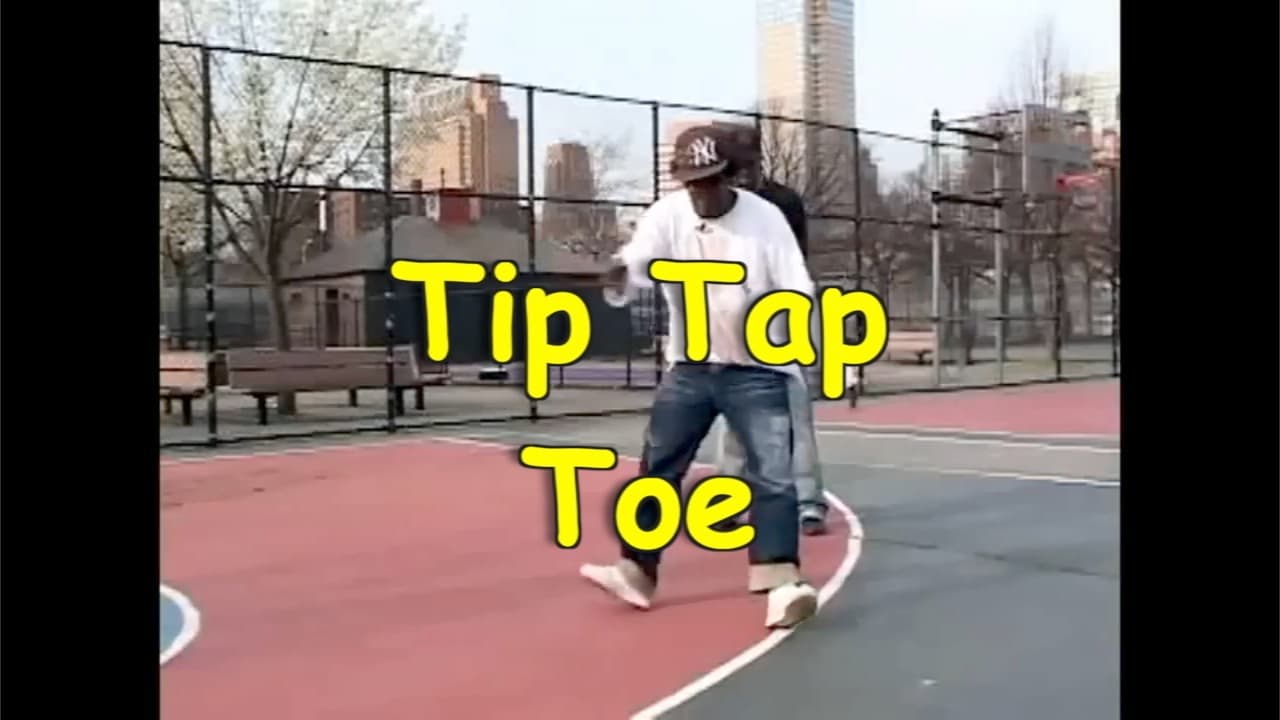
The "Tip Tap Toe" is a popular and distinctive footwork move in the house dance style. It originated from the vibrant house music scene in Chicago and New York in the 1980s. This move involves a rhythmic and intricate sequence of steps that showcases the dancer's control, precision, and musicality.House dance, as a whole, is a fusion of various dance styles, including hip-hop, jazz, African, and Latin influences. It is characterized by its groovy and soulful movements, often performed to the infectious beats of house music. The "Tip Tap Toe" move is a quintessential element of this dynamic dance form.
Video Demonstration
Dance History of The Tip Tap Toe
While the exact origins of the "Tip Tap Toe" move are unclear, it is widely believed to have emerged from the house dance community in Chicago and New York during the late 1980s and early 1990s. As house music gained popularity, dancers began experimenting with new footwork patterns to match the energetic and rhythmic beats.One of the pioneers credited with popularizing the "Tip Tap Toe" move is Buddha Stretch, a renowned house dancer from New York. He is said to have introduced and taught this move to many dancers, helping it become a staple in the house dance repertoire.
Step By Step Instruction
Start with your feet shoulder-width apart, knees slightly bent, and weight evenly distributed.
Tap the ball of your right foot forward, then tap the ball of your left foot forward.
Tap the ball of your right foot to the right side, then tap the ball of your left foot to the left side.
Bring your right foot back to the center, then bring your left foot back to the center.
Repeat the sequence, maintaining a consistent rhythm and alternating the lead foot.
Tips For Learning The Tip Tap Toe
Start slowly and focus on the footwork pattern until it becomes second nature.
Practice the move to different tempos and rhythms to improve your musicality.
Keep your knees slightly bent and your core engaged for better balance and control.
Incorporate arm movements or styling once you've mastered the basic footwork.
Watch videos of experienced house dancers performing the "Tip Tap Toe" to observe their technique and style.
Conclusion
The "Tip Tap Toe" is a fundamental and iconic move in the house dance style. Its intricate footwork and rhythmic nature showcase the dancer's skill and connection to the music. Whether you're a seasoned house dancer or a beginner, mastering this move will undoubtedly enhance your overall technique and stage presence.
Frequently Asked Questions
What is the Tip Tap Toe house dance move?
The Tip Tap Toe is a house dance footwork move built on a rhythmic tap sequence: tap forward with each foot, tap to the side with each foot, then return to center. The light, precise tapping creates a crisp rhythmic pattern matched to house music's beat. It's a stationary move that develops footwork precision and musicality.
Who popularized the Tip Tap Toe?
The Tip Tap Toe was popularized by Buddha Stretch, a legendary house dancer from New York City. Stretch is one of the most influential figures in house dance history, he helped codify many foundational house dance moves and brought them from underground clubs to global visibility through his teaching, choreography, and performances.
Where did the Tip Tap Toe come from?
The Tip Tap Toe emerged from the house dance community in Chicago and New York City in the late 1980s and early 1990s, developed alongside house music itself. Buddha Stretch is credited with spreading and teaching the move widely, helping it become a staple of the house dance vocabulary globally.
How long does it take to learn the Tip Tap Toe?
The basic tap sequence takes 10-15 minutes to execute physically. Getting the PRECISION right, sharp, on-beat taps with no dragging, takes 30-60 minutes. Running it at full house music speed (around 120-130 BPM) takes 1-2 weeks of daily practice. The move rewards clean footwork over flashy style.
What's the most common Tip Tap Toe mistake?
Putting weight on the taps. In Tip Tap Toe, the tapping foot barely touches the ground, there's no weight transfer on the tap. Beginners who plant the tapping foot lose the rhythmic lightness and the move stops looking like a tap sequence. Keep the tap airy, the weight centered, and the rhythm sharp.
More Hip Hop Dance Moves
If you liked the Tip Tap Toe, these moves share the same tap-based footwork or precise rhythmic stepping:
- House Dance | Salsa Step, the Salsa Step is also built around deliberate taps with no weight transfer, so the light-footed tapping mechanic you learned in Tip Tap Toe applies directly.
- How to Do the Jack In The Box House Dance Move, both moves are in-place footwork patterns focused on rhythmic precision, and the Jack In The Box is widely considered one of the most foundational moves to master alongside Tip Tap Toe.
- House Dance | Sidewalk, the Sidewalk uses a similar step-then-tap structure (place one foot, tap the other) that echoes the Tip Tap Toe rhythm and makes a smooth stylistic pairing.
- How to Do the Kriss Kross House Dance Move, Kriss Kross is another stationary Chicago/NY footwork pattern requiring the same kind of rhythmic weight-shift control that Tip Tap Toe builds.
More House articles
Train 1-on-1 with Ceech.
Get personalized coaching tailored to your style and goals.
Book a Free Consult