Which A Way Dance: How to Do the Locking Move by Damita Jo Freeman
Introduction
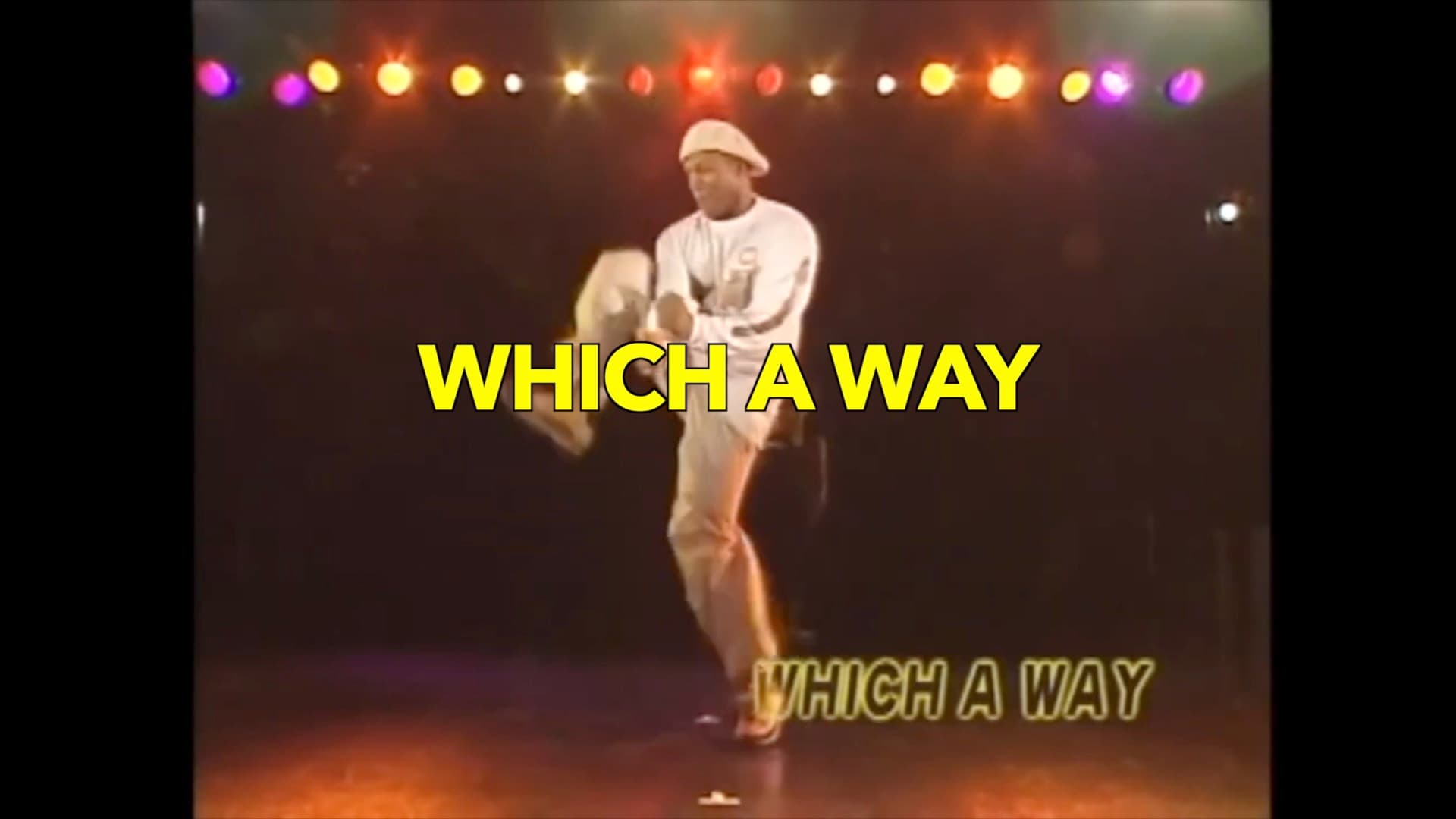
The "Which A Way" is a classic locking dance move that originated in the 1970s. It involves a smooth, rhythmic rotation of the hips and torso, creating a mesmerizing illusion of the body moving in different directions. This move perfectly captures the essence of locking, showcasing the dancer's ability to isolate and control various body parts while maintaining a cool, funky vibe.
Video Demonstration
Dance History
The "Which A Way" move was created by Damita Jo Freeman, a pioneering female locker from the early days of the locking scene in Los Angeles. Freeman introduced this signature move on the popular dance show Soul Train in the 1970s, where it quickly gained recognition and became a staple in the locking repertoire. The move's name, "Which A Way," refers to the illusion created by the dancer's body, making it appear as if it's moving in multiple directions simultaneously.
Step By Step Instruction
- Start with your feet shoulder-width apart and your knees slightly bent.
- Keeping your upper body facing forward, rotate your hips and torso smoothly to the right.
- As you rotate your hips and torso back to the center, allow your shoulders to follow the movement slightly.
- Repeat the same motion, rotating your hips and torso smoothly to the left.
- Continue alternating the rotation from right to left, creating a fluid, wave-like motion with your body.
- Maintain a relaxed, cool facial expression and incorporate arm movements or gestures to enhance the overall style.
Tips For Learning
- Practice the hip and torso isolation slowly at first, ensuring that only your midsection is moving while your shoulders and feet remain stationary.
- Maintain a low center of gravity by keeping your knees bent throughout the movement.
- Experiment with different tempos and rhythms to add variation and personal flair to the move.
- Incorporate the "Which A Way" into longer locking sequences or routines to showcase your mastery of the style.
Conclusion
The "Which A Way" is a quintessential locking move that embodies the smooth, controlled, and funky essence of the dance style. By mastering this move, dancers can pay homage to the pioneers who shaped locking while adding their own unique flair and personality to the movement.
Frequently Asked Questions
What is the Which A Way locking move?
The Which A Way is a classic locking dance move built on a smooth alternating rotation of the hips and torso while the feet stay planted. The dancer's midsection twists right, returns through center, then twists left in a continuous rhythmic wave. The illusion makes it look like the body is heading multiple directions at once, hence the name.
Who created the Which A Way dance?
The Which A Way was created by Damita Jo Freeman, a pioneering female locker from the early 1970s Los Angeles locking scene. Freeman introduced the move on Soul Train, where it became a recognized locking signature. She's one of the most important women in locking history and her contribution to the locking vocabulary is foundational.
Who is Damita Jo Freeman?
Damita Jo Freeman is a legendary dancer best known for her appearances on Soul Train in the early 1970s, where she performed locking alongside the show's other iconic dancers. She popularized multiple locking moves including the Which A Way and is considered one of the founding figures of women in locking. Her influence on the dance genre is immense.
How long does it take to learn the Which A Way?
The basic hip-and-torso rotation takes 15-20 minutes to perform. Making it SMOOTH, the defining quality that sells the illusion, takes 2-4 weeks of daily practice. The challenge is isolating the midsection: keeping your feet planted and shoulders relatively still while only the hips and torso rotate. That isolation takes reps.
What's the most common Which A Way mistake?
Moving the shoulders too much. The Which A Way works when the rotation is concentrated in the HIPS and TORSO, not in the shoulders. Beginners who twist their shoulders with the hips lose the isolation that creates the "which way is she going" illusion. Keep the upper body relatively stable and let the midsection do the twisting.
More Locking Dance Moves
If you liked the Which A Way, these moves share the same focus on body isolation and fluid, groove-driven movement:
- Mastering the Volkswagen: A Funky Locking Move: Like the Which A Way, the Volkswagen asks you to move specific body parts independently while the rest of your body stays controlled, training the same isolation awareness from a different angle.
- Mastering the Scoobot: A Locking Dance Move: Both the Which A Way and the Scoobot are whole-body character moves that use torso and arm coordination to create a distinct visual illusion, rewarding the same commitment to physical storytelling.
- Mastering the Pimp Walk: An Iconic Locking Dance Move: The Which A Way's hip-and-torso rotation is a natural complement to the Pimp Walk's swagger. Both moves are groove-based and rely on a relaxed, expressive lower body.
- Mastering the Sneak: A Classic Locking Move: The Sneak's weight-shift and body lean requires the same core control that the Which A Way's hip isolation develops, making the two moves good cross-training partners.
More Locking articles
Train 1-on-1 with Ceech.
Get personalized coaching tailored to your style and goals.
Book a Free Consult