Brooklyn Rock (Uprock): How to Do This Breaking Battle Move
Introduction
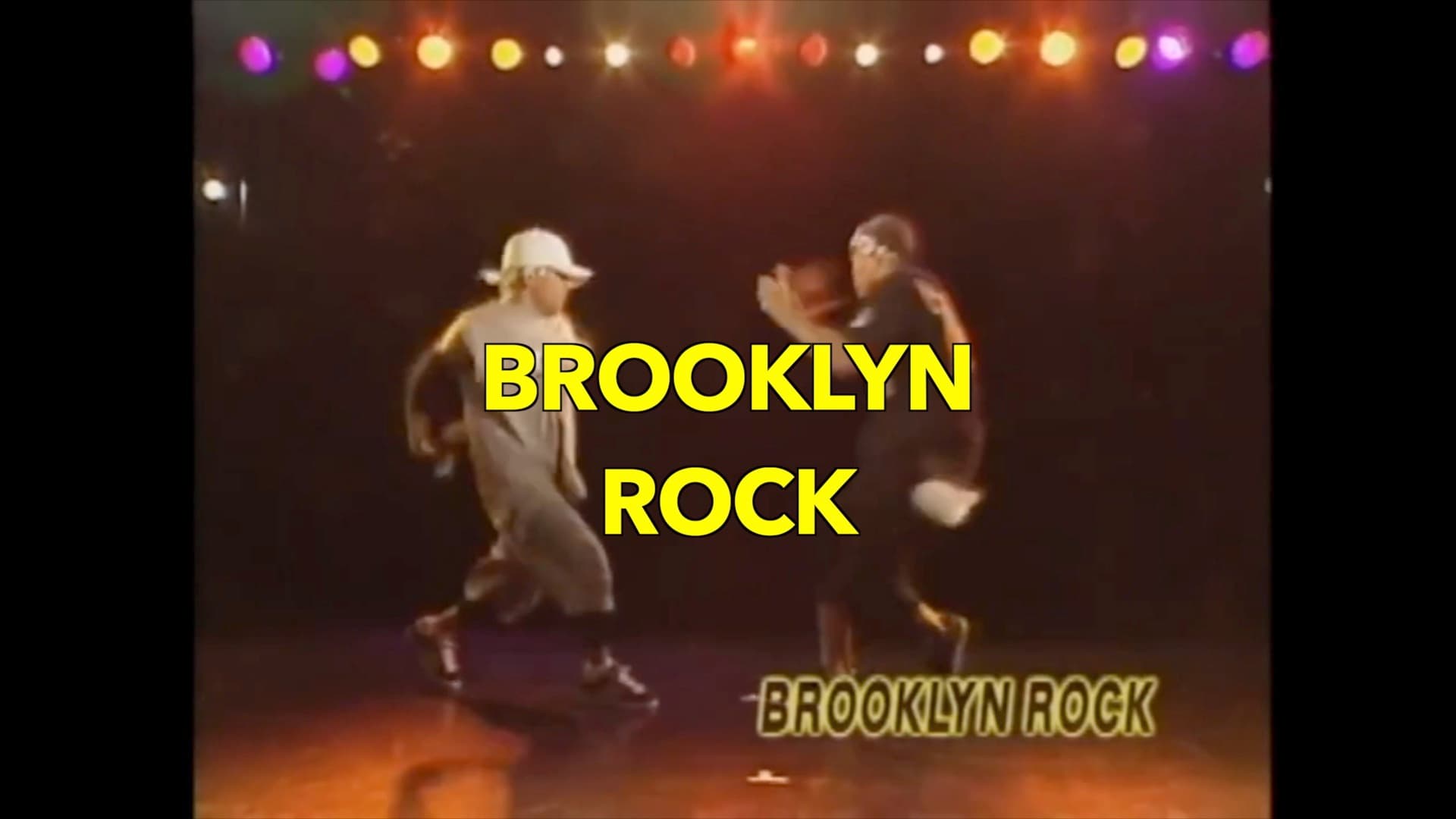
The Brooklyn Rock, also known as Uprock or Rocking, is a dynamic and expressive dance move that forms an essential part of breaking (breakdancing) culture. Originating in the streets of Brooklyn, New York, this style combines elements of mock battle, footwork, and rhythmic expression. The Brooklyn Rock is not just a single move but a series of movements that create a fluid, competitive dance sequence. It's characterized by its sharp, jerking motions, intricate footwork, and the ability to "burn" or outdo an opponent through style and creativity. As a fundamental aspect of breaking, mastering the Brooklyn Rock is crucial for any aspiring b-boy or b-girl looking to establish their presence in the dance community.
Video Demonstration
Dance History
The Brooklyn Rock emerged in the early 1970s in the Bushwick section of Brooklyn, New York. It was originally conceived by a dancer known as Rubber Band as an alternative to gang fighting, providing a non-violent way for rival groups to compete. The dance style quickly gained popularity and spread throughout Brooklyn, with various crews forming to showcase their skills.
The term "Rocking" or "Uprock" may have derived from the colloquial use of "rocking" to describe dominating an opponent, or from the rock and funk music that often accompanied the dance. As the style evolved, it became known as "Uprocking," maintaining its core elements while adapting to new music and cultural influences.
Step By Step Instruction
- Start in a standing position, facing your opponent or the audience.
- Begin with a basic step, such as the Cross Step or Kick Ball Change, to establish your rhythm.
- Incorporate sharp, jerking movements called "jerks" to accent the beat and show aggression.
- Use footwork to create intricate patterns, including shuffles, spins, and turns.
- Add "burns" - movements that mimic attacking or outdoing your opponent without physical contact.
- Alternate between jerks, burns, and freestyle movements to maintain flow and unpredictability.
- Respond to the music's lyrics and sounds, using them to guide your movements and timing.
- Maintain eye contact with your opponent, projecting confidence and intensity.
Tips For Learning
- Practice basic footwork patterns before adding more complex movements.
- Study the music closely to understand how to match your moves to the beat and lyrics.
- Watch videos of experienced rockers to learn different styles and techniques.
- Practice with a partner to develop your battle skills and timing.
- Focus on developing your own unique style within the framework of the Brooklyn Rock.
- Remember that physical contact is not allowed - all "attacks" should be simulated through dance.
Conclusion
The Brooklyn Rock is more than just a dance move; it's a cultural expression that embodies the competitive spirit and creativity of breaking. By mastering this style, dancers can connect with the roots of hip-hop culture while developing their own unique voice within the breaking community. Whether used in battles or performances, the Brooklyn Rock remains a powerful tool for self-expression and a testament to the enduring legacy of street dance.
Frequently Asked Questions
What is Brooklyn Rock (Uprock)?
Brooklyn Rock (also called Uprock or Rocking) is a breaking/hip hop battle dance built on sharp jerks, intricate footwork, and theatrical "burns" , mimed attacks directed at an opponent without physical contact. It's a standing-level battle style developed to replace physical gang fighting with dance-based competition, and a foundational element of breaking's toprock vocabulary.
Is Brooklyn Rock the same as Uprock?
Yes , the terms are used interchangeably. "Brooklyn Rock" emphasizes the geographic origin; "Uprock" describes the standing-level technique (as opposed to "downrock," which is floor-level footwork). "Rocking" is the older shortened name. All three refer to the same dance.
Where did Brooklyn Rock come from?
Brooklyn Rock emerged in the early 1970s in the Bushwick section of Brooklyn, New York. It was conceived by a dancer known as Rubber Band as a non-violent alternative to gang fighting , a way for rival crews to compete through dance rather than physical conflict. It predates the term "breakdancing" and became a foundational influence on breaking's toprock.
Is Brooklyn Rock the same as breakdancing?
Not exactly. Breakdancing (breaking) includes four elements: toprock, downrock (floor footwork), freezes, and power moves. Brooklyn Rock is a standing-level battle style that heavily influenced toprock but exists as its own tradition. Most breakers incorporate Brooklyn Rock elements into their toprock, but dedicated uprockers maintain the style separately.
What are "burns" in Brooklyn Rock?
Burns are theatrical, mimed attacks directed at your opponent , pointing at them, mimicking a gun, pretending to slap or kick, all without physical contact. Burns are how you "win" in an uprock battle: your burns have to be more creative, better-timed, and more stylish than your opponent's. They're the competitive heart of Brooklyn Rock.
More Breaking Dance Moves
If you liked the Brooklyn Rock, these moves share the same upright, standing-level energy and battle-oriented expression it comes from:
- Punching in Breaking: The Power of Precision in B-Boy Moves , Punching is a direct toprock element used within Brooklyn Rock sequences , the sharp arm strikes are part of the same battle language of burns and mocking attacks.
- Mastering the 6 Step: The Foundation of Breakdancing Footwork , After establishing your Brooklyn Rock, the 6 Step is the first floor move to connect it to, making it the essential bridge between uprock and downrock.
- Mastering the Freeze: A Fundamental Breaking Move , In breaking battles, a freeze is used to punctuate a set and challenge an opponent , the same competitive context that gives Brooklyn Rock its purpose.
- Cutting in Breaking: How to Master This Essential Footwork Move , Cutting serves as a transitional move between the upright Brooklyn Rock and floor-level footwork, and learning it helps b-boys and b-girls flow between both levels smoothly.
More Breaking articles
Train 1-on-1 with Ceech.
Get personalized coaching tailored to your style and goals.
Book a Free Consult